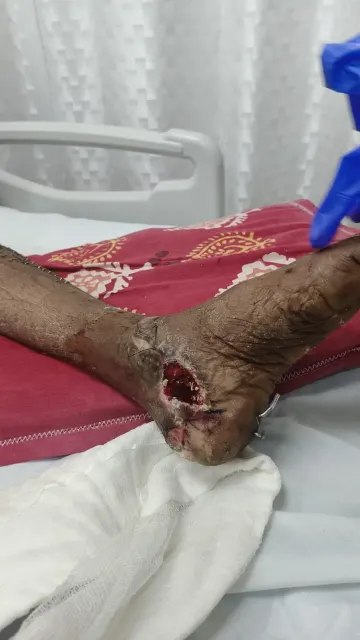


When natural disasters strike, they do not just overflow rivers—they plunge hundreds of thousands of lives into sudden uncertainty and distress. The devastating floods in Assam this year brought a similar catastrophe. While multiple districts across the state were submerged, the situation in Sivasagar district was particularly critical and heart-wrenching. Swollen rivers including the Brahmaputra, Dikhow, Disang, and Jhanji completely severed access to dozens of remote villages. In the face of this severe crisis, our team realized we could not remain mere spectators—we had to act immediately on the ground to support our fellow citizens.
1. The Scale of Destruction in Sivasagar
When our relief team arrived in Sivasagar, the landscape was completely inundated. Roads, agricultural fields, schools, and homes were submerged under several feet of water. Many villages had transformed into isolated islands, rendering vehicular movement and foot travel impossible.
The faces of local residents reflected deep distress, fatigue, and uncertainty. Access to clean drinking water had vanished, as tube wells and traditional water sources were submerged under floodwaters. Young children, senior citizens, and women were forced to spend days and nights under makeshift tarpaulins on rooftops and elevated structures. Our primary challenge was reaching those remote pockets that had received no prior assistance.
2. Strategic Planning and Action Priorities
In disaster response, rapid assessment and strategic decision-making are vital. Based on the ground realities in Sivasagar, we structured our intervention into four core operational areas:
- Emergency Food Distribution: Preparing essential dry ration kits and cooked nutritious meals.
- Safe Water and Medical Aid: Distributing clean drinking water, water purification tablets, and essential medicines.
- Temporary Shelter and Hygiene: Supplying heavy-duty tarpaulins, Oral Rehydration Salts (ORS), and sanitation supplies.
- Livestock and Animal Care: Arranging fodder, shelter, and medical assistance for stranded livestock.
3. Reaching Remote Villages via Boats
Transporting relief supplies to the interior pockets of Sivasagar presented severe logistical challenges. Strong currents and rising water levels made road transport unusable. With the aid of local volunteers and boatmen, we deployed country boats to navigate submerged routes.
Our team delivered essential dry ration kits directly to stranded families. Each kit contained:
- Rice, lentils, wheat flour, and mustard oil
- Biscuits, flattened rice (chira), jaggery, and infant food
- Matches, candles, and flashlights
- Sanitary napkins, soaps, and antiseptic liquids
"When our boat reached a small, partially submerged hamlet, an elderly woman shared with tears in her eyes that her household had been unable to cook for two days. Seeing the relief on her face made every effort worthwhile."
4. Health Protection and Disease Prevention
As floodwaters stagnate or slowly recede, the risk of waterborne disease outbreaks increases significantly. Protecting communities against cholera, typhoid, skin infections, and vector-borne fevers was a core priority.
In collaboration with local healthcare professionals, we set up primary medical assistance camps. Through these camps, we provided:
- Chlorine water purification tablets to over 500 households.
- Essential medications for fever, gastroenteritis, and skin ailments.
- First-aid kits and antiseptic ointments for individuals navigating flooded areas.
5. Protecting Livestock and Domestic Animals
The rural economy of Assam relies heavily on agriculture and livestock farming. Beyond the human impact, thousands of domestic animals were displaced. Lack of fodder led to severe distress among cattle, with many stranded in high-water zones.
Our team integrated animal welfare directly into our relief operations:
- Delivered dry fodder, cattle feed, and bran to elevated embankments where animals were sheltered.
- Rescued stranded cattle and calves from dangerous water levels to safer grounds.
- Distributed veterinary supplements and primary medications under professional advice.
6. Community Resilience and Youth Volunteerism
One of the most inspiring aspects of this relief drive was the incredible resolve of the local youth in Sivasagar. Despite challenging conditions, local volunteers worked alongside us around the clock. From packing supplies and navigating boats to conducting door-to-door distribution in flooded lanes, their dedication was instrumental to the mission's success.
The solidarity and strength demonstrated by the people of Assam served as a profound reminder that community action is the strongest defense against adversity.
7. The Road to Rehabilitation: Long-Term Recovery
While floodwaters will eventually recede, the structural destruction left behind requires sustained effort to rebuild. Homes have been damaged, crops destroyed, and livelihoods disrupted.
Following our initial relief phase, our focus is transitioning toward long-term recovery and rehabilitation:
- Shelter Repair: Providing structural tarpaulins and basic building materials for damaged homes.
- Sanitation and Disinfection: Spraying bleaching powder and disinfectants across villages to prevent post-flood epidemics.
- Livelihood Support: Assisting smallholder farmers and local artisans in restoring their economic independence.
How You Can Support This Mission
During this critical period, the flood-affected communities of Assam require continued solidarity and support. Even a small contribution can provide essential sustenance, shelter, and medical care to a family in need.
You can support our ongoing relief and recovery efforts through the following steps:
- Contribute to the Relief Fund: Sponsor food packages, medical supplies, or rehabilitation materials.
- Amplify the Cause: Share this report across social platforms to raise awareness about the ground situation in Assam.
- Volunteer with Us: Join our upcoming on-ground deployment and rehabilitation teams.
Together, we can help rebuild lives and bring long-term stability to the affected regions of Assam.