Analysis Update: Feb 14, 2026
Core Summary: ‘What do we want gardens to sound like?’ It began with a frog pond, but suburban rewilding became an obsession
The recent development involving ‘What do we want gardens to sound like?’ It began with a frog pond, but suburban rewilding became an obsession has triggered a necessary re-evaluation of established standards. Industry observers are looking closely at the data points emerging from this update.
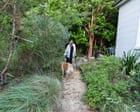
Wild gardening is about shedding obsessions with tidiness, embracing a looser aesthetic, and providing a home for ‘the most important creatures on the planet’
On a recent wintry January day in Manchester, I crossed University Green, navigating a paved path behind our hotel through lush patches of lawn. It was the start of the inaugural “Wilding Gardens” conference. For two days, scientists and practitioners were gathering to discuss new ways to think about gardens and nature, about what nature needs to thrive, and the untapped potential of gardens – if we step back and allow ecological processes to unfold – to help counter climate change and biodiversity loss.
Clumps of snowdrop flowers poked through the unmown grass and a grey squirrel streaked across it, from one bare-branched tree to another. Probably common alders, going by the University of Manchester Tree Trail. The world’s first industrial city seemed an apt venue for a talkfest on the urgency of rewilding suburban gardens to help save the planet from precisely what drew Marx and Engels there to study, 180 years ago: the impacts of industrialisation.
Continue reading...Analytical Perspective on ‘What do we want gardens to sound like?’ It began with a frog pond, but suburban rewilding became an obsession
Primary indicators suggest this shift is driven by structural market adjustments. Analysts observe that ‘What do we want gardens to sound like?’ It began with a frog pond, but suburban rewilding became an obsession signals a departure from historical patterns, necessitating a more agile approach to policy and oversight.
Original report and verified details: Source Verification.